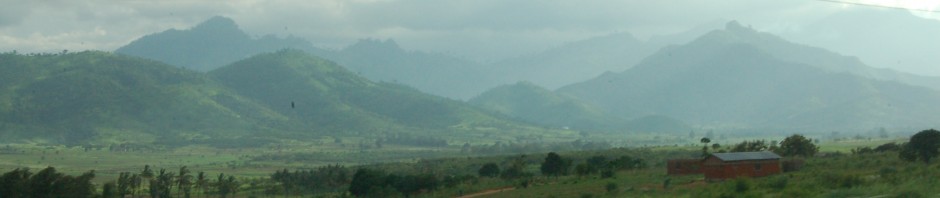
 This month of May finds counseling cases go up and up. Some students at UDOM (University of Dodoma) are feeling the ramifications of national student loans that have not yet arrived even though there are only 6 weeks left for the semester and the academic year. Those who had money have shared a bulk of it in personal loans and are now also suffering until others can pay them back. There’s a growing tension as cafeterias sit half empty.
Graduating students are starting to feel the pressure of life after school with no jobs, no student loans. Essentially, the reality of the poverty they somewhat escaped for a few years is all too real as they peek around the corner. Despair increases.
Those graduating students are also now crunched between trying to attend seminars on ‘how to start a business, write a business plan, apply for funding’ and dealing with ever mounting final papers and mid-term tests. People are scrambling and losing overall focus.
Others plan to get married because there is strong, strong pressure to do so after completing higher education (average age of 24). Some are caught between family expectations and personal desires. Some are trying desperately to go on to higher education but know that they cannot find the funds to do so. Wedding invites are starting to pop up everywhere.
Some are reaching for an escape plan. Anything  to give them an alternative to going back to the village with nothing in their pocket and no job. The extensive families and in some cases, the whole village is preparing for the return of their hero, believing that the one in the family/village to have achieved a university degree will now improve life for everyone. Shame is growing.
A chronic and acute shortage of teachers means that “Extreme Courses” abound at this time. In some colleges, such as Health Sciences that may mean 2 weeks of daily 8 hour classes followed by an exam. In Social Sciences that may mean 3 weeks of daily lectures finishing just before regular exams. Mental fatigue is noticeable where ever students sit.
Some are in shock realizing that 6 weeks before graduation they have never really made any plans for July and beyond.
Some  are in choirs and choirs are busy trying to complete video shoots for DVD’s, a booming business in Dodoma with many institutions of higher learning and all the accompanying music. The impact of days of shooting on academics is yet to be seen.
I do not pretend to know what it is like to live in the world these students have. I work very hard not to judge the situation. However, I am aware that my own Protestant Work Ethic and my ability to plan and organize given goals and dreams (all of which have a dark side to them as well), these make me see links that tie these glimpses together.
The key link, I have come to see, comes from growing up in deep poverty. That level of poverty that my immigrant parents knew of briefly, but I do not. That level of poverty which makes life fragile and largely undependable. Life is only today. Tomorrow belongs to God. True. A very good perspective for a person like me to adopt with more authenticity.
But what happens to a young child, a teen, a young adult where first day baby mortality is 10th highest in the world? Where 33% of the children under the age of 5 die of malaria? Where 8,000 mothers die every year giving birth? Where 37% of the rural population is under the poverty line and 33% nationally ($1.00 per day= 1,600Tsh; in Dodoma where I live, 1 kg of stewing beef costs 5,500Tsh, 1 mango in season costs 500Tsh, a kilo of carrots costs 1,500Tsh). Death and hunger are constant companions of the moments of life in a way that I cannot begin to absorb.
The impact? Students largely live for today. There is a persuasive attitude that the future is not worth looking at with much seriousness for it is useless to expect or even hope for much. Furthermore, life continues to teach them that try as you want, there are no future certainties. Even a university degree becomes widely useless, especially for UDOM graduates. The business world is becoming familiar with the educational outcomes from a lack of teachers and of practical training. Whispers of blacklisting UDOM students in hiring processes are heard every once in awhile. So why dream anything into reality? So why plan? If today you have an opportunity to be happy by thinking or doing something, be it/do it! Let God take care of tomorrow.
This deep pove rty also links to the fundamental human need to make meaning in life and find a purpose to one’s life. In poverty, life is so fragile it is beyond belief to a person such as I. But the reality of the global empire adds another layer to this link. I believe that our global empire creates a reality where fundamental human value lies only in its potential for productivity in the mechanism of making wealth. Those is deep poverty, those without a job, those who cannot contribute to the economic welfare of the country, those people have no value. It is meaningless to the system should one of them die. In an ironic twist, their death may give them more value than their life – in death they are just one less burden to society, which improves the ability of others to be units of production.
Though the students do not have the language or knowledge to explain the darkness that creeps within them, those few who have the courage to examine that darkness ask me questions like “Why does my life not seem to matter like your life?” “Why did God want me to be born into such a poor family?” “Why do you people not care if half my family dies?” “Why do the students my age in Canada seem to be so successful and we here in Tanzania fail?” “What have we done wrong that life should be like this?” “Is God punishing us?”
As a Chaplain, how do I hold these links in my head and heart? Can I with all my white, western privilege make any informed comment that can touch their searching for a reality that means something for their lives, of their lives? What does it help to know the psychological impacts of deep poverty? I do not live it and so therefore my words come from theory and not reality. There is a deep and very wide schism between my students and I. Yet, with a few brave ones, I have been given the privilege of seeing a glimpse or two of hearts that bleed and have hope trying to crowd out the hardened places within, minds that wrestle with the desire to hope in their own abilities to shape a future, and a will power to survive and be happy like I have never witnessed before.
I have grown to respect and value these students to a degree that I know not what to do with it. I, in turn, simply ask God to give me opportunit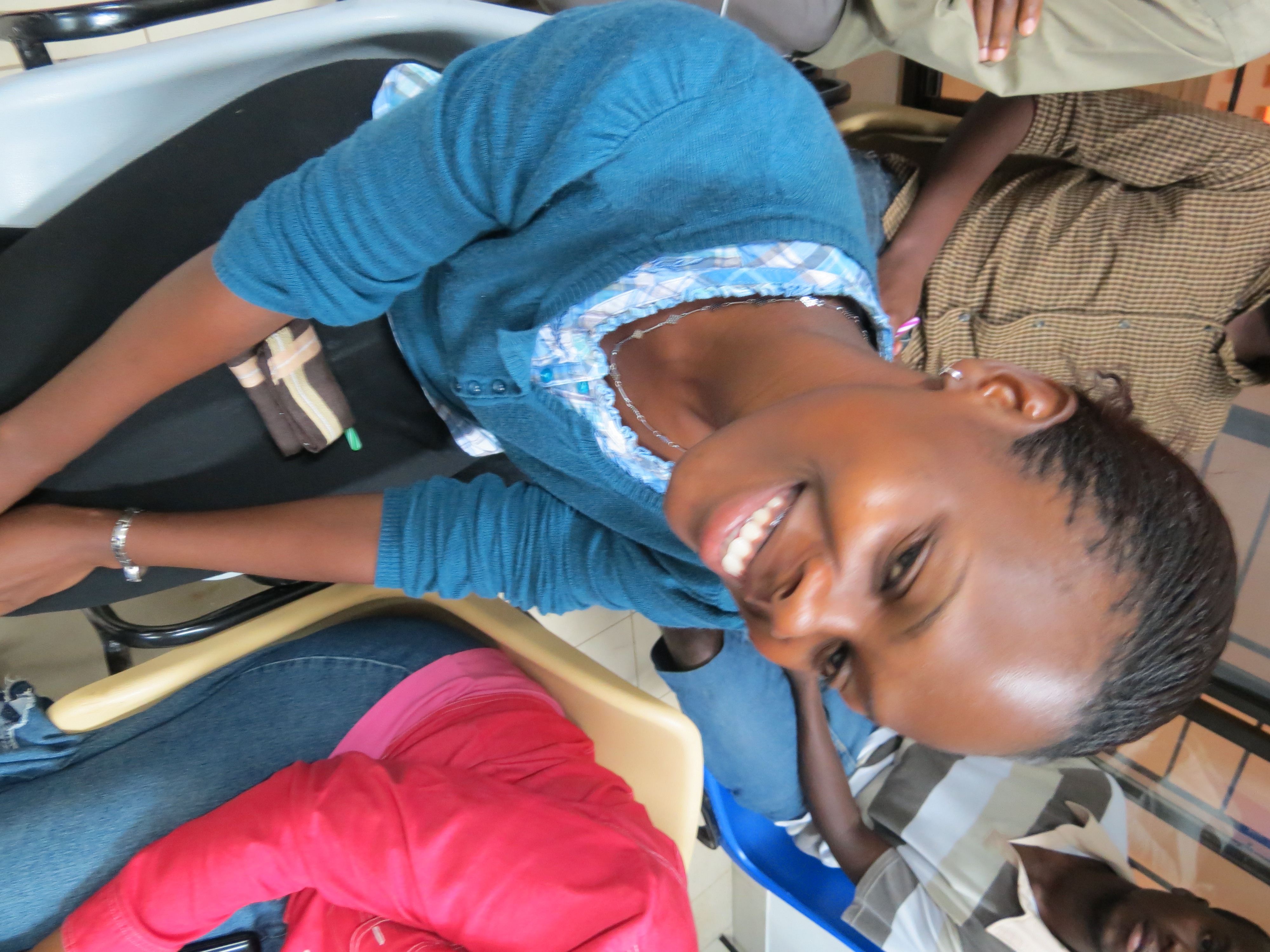 ies to open my eyes more to their world which is, after all, our world. The differences may scream out loudly in my life in Tanzania, but the sound of the pain rising from the individuals that form the masses of people in poverty, that sound can resonate loudly in the universe if we choose to listen. That’s why the God we Christians claim to worship, hears what many of us cannot or will not and why our God always stands first with the ones like my students. I do not feel threatened by that reality. It gives me a purpose in my life.


